Machine Learning Fundamentals
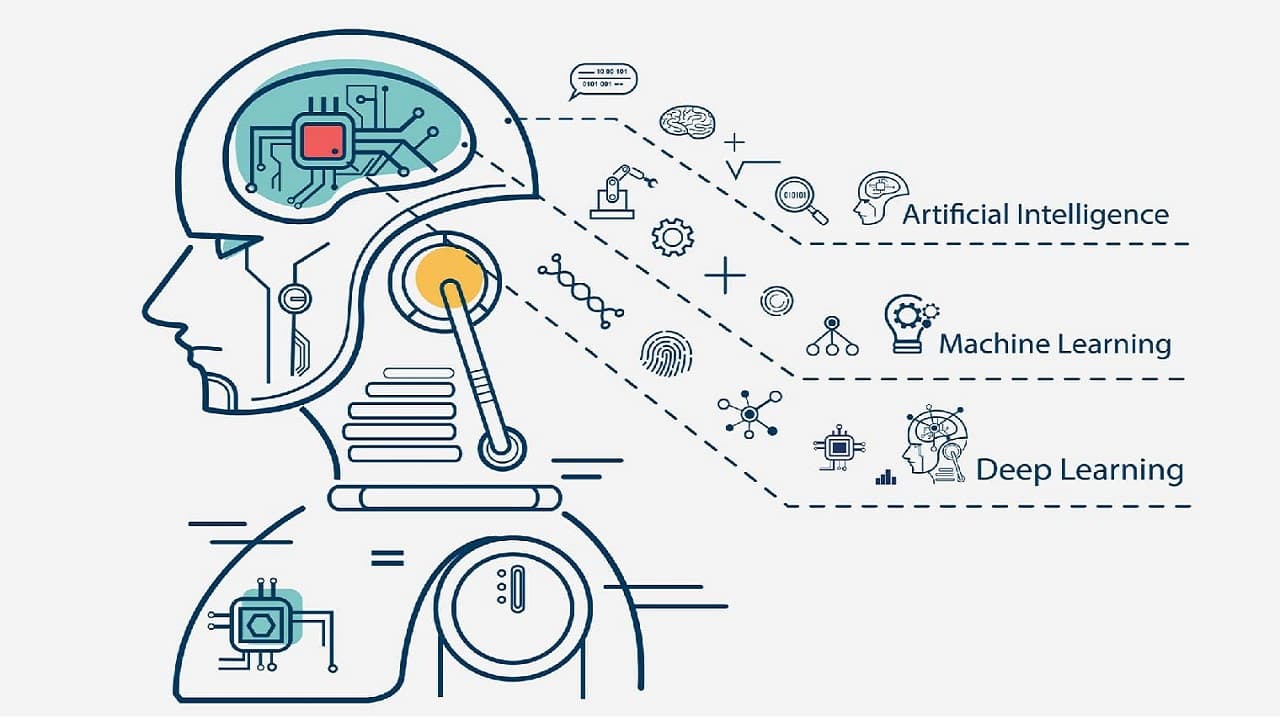

Machine Learning Fundamentals: Building Intelligent Systems
Machine Learning (ML) is a cornerstone of artificial intelligence, enabling systems to learn from data and make predictions or decisions without explicit programming. From recommendation systems to image recognition, ML powers countless applications. In this blog, we’ll explore ML fundamentals, key algorithms, and a practical example of building a simple ML model using Python.
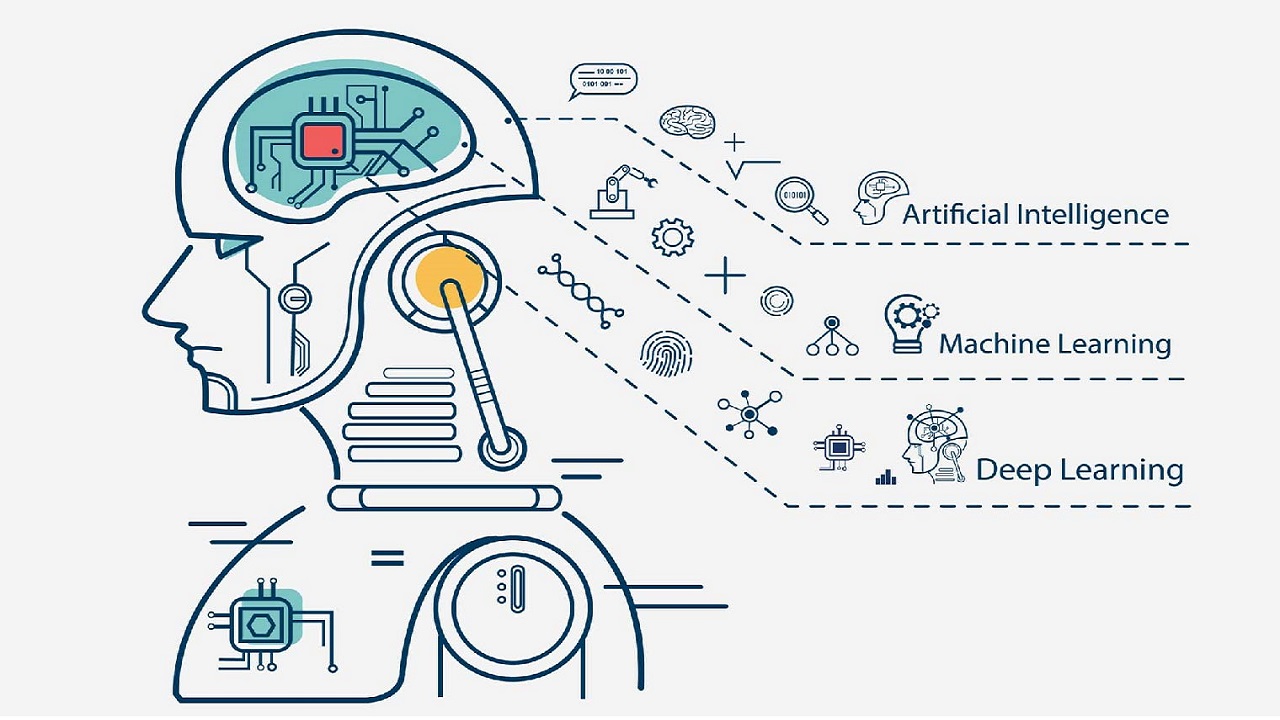
What is Machine Learning?
Machine Learning is a subset of AI that focuses on developing algorithms that allow computers to learn patterns from data and improve over time. Unlike traditional programming, where rules are hardcoded, ML models infer rules from examples.
Key types of ML:
- Supervised Learning: Uses labeled data to predict outcomes (e.g., regression, classification).
- Unsupervised Learning: Finds patterns in unlabeled data (e.g., clustering, dimensionality reduction).
- Reinforcement Learning: Learns by interacting with an environment to maximize rewards.
Core Concepts
- Features: Input variables used to make predictions (e.g., pixel values in an image).
- Labels: Target outputs in supervised learning (e.g., “cat” or “dog”).
- Training: Process of feeding data to an algorithm to learn patterns.
- Evaluation: Assessing model performance using metrics like accuracy or mean squared error.
- Overfitting: When a model learns noise in training data, reducing generalization.
Common Algorithms
- Linear Regression: Predicts continuous values (e.g., house prices).
- Logistic Regression: Classifies binary outcomes (e.g., spam vs. non-spam).
- Decision Trees: Makes decisions by splitting data into branches.
- K-Means Clustering: Groups similar data points in unsupervised learning.
- Neural Networks: Mimics human brains for complex tasks like image recognition.
Building a Simple ML Model with Python
Let’s create a basic classification model using scikit-learn to predict iris species based on flower measurements.
Step 1: Set Up the Environment
Install Python and required libraries:
pip install scikit-learn pandas numpy
Step 2: Write the ML Code
Create a file named iris_classifier.py with the following code:
import pandas as pd
from sklearn.datasets import load_iris
from sklearn.model_selection import train_test_split
from sklearn.linear_model import LogisticRegression
from sklearn.metrics import accuracy_score, classification_report

# Load the Iris dataset
iris = load_iris()
X = iris.data  # Features: sepal length, sepal width, petal length, petal width
y = iris.target  # Labels: species (0, 1, 2)

# Split data into training and testing sets
X_train, X_test, y_train, y_test = train_test_split(X, y, test_size=0.2, random_state=42)

# Initialize and train the model
model = LogisticRegression(max_iter=200)
model.fit(X_train, y_train)

# Make predictions
y_pred = model.predict(X_test)

# Evaluate the model
accuracy = accuracy_score(y_test, y_pred)
print(f"Accuracy: {accuracy:.2f}")
print("\nClassification Report:")
print(classification_report(y_test, y_pred, target_names=iris.target_names))

# Example prediction
sample = [[5.0, 3.4, 1.5, 0.2]]  # Sample measurements
prediction = model.predict(sample)
print(f"\nPredicted species for sample: {iris.target_names[prediction[0]]}")
Step 3: Run the Code
Execute the script:
python iris_classifier.py
Expected Output:
Accuracy: 1.00

Classification Report:
              precision    recall  f1-score   support
      setosa       1.00      1.00      1.00        10
  versicolor       1.00      1.00      1.00         9
   virginica       1.00      1.00      1.00        11
    accuracy                           1.00        30
   macro avg       1.00      1.00      1.00        30
weighted avg       1.00      1.00      1.00        30

Predicted species for sample: setosa
Explanation
- Dataset: The Iris dataset contains 150 samples with four features and three species (setosa, versicolor, virginica).
- Model: Logistic Regression is used for multi-class classification.
- Training: 80% of data trains the model; 20% tests it.
- Evaluation: Accuracy and classification report assess performance.
- Prediction: The model predicts the species for a sample input.
Best Practices for Machine Learning
- Data Preprocessing: Clean, normalize, and handle missing data to improve model performance.
- Feature Engineering: Select or create meaningful features to enhance predictions.
- Cross-Validation: Use k-fold cross-validation to ensure robust evaluation.
- Hyperparameter Tuning: Optimize model parameters using grid search or random search.
- Monitoring: Track model performance in production to detect drift.
Conclusion
Machine Learning fundamentals provide the foundation for building intelligent systems that learn from data. The Iris classification example demonstrates a simple supervised learning workflow, but ML extends to complex applications like natural language processing and computer vision. Start experimenting with scikit-learn or TensorFlow to unlock the power of ML in your projects!

Application Security Best Practices

Ethical Hacking Techniques

Data Science with Python

Backend Development with Node.js

Fullstack Development Guide

Network Security Essentials